Fravek / Energy
You protect the power. We watch the low skies.
Fravek is developing drone detection as a site service: passive sensing nodes and software that give operators awareness of activity in the airspace above and around exposed energy assets.
Start with a 20-minute conversation.
Technology under development. Coverage and detection performance are not implied.
The operational problem
Your fence marks the boundary. Your awareness should go further.
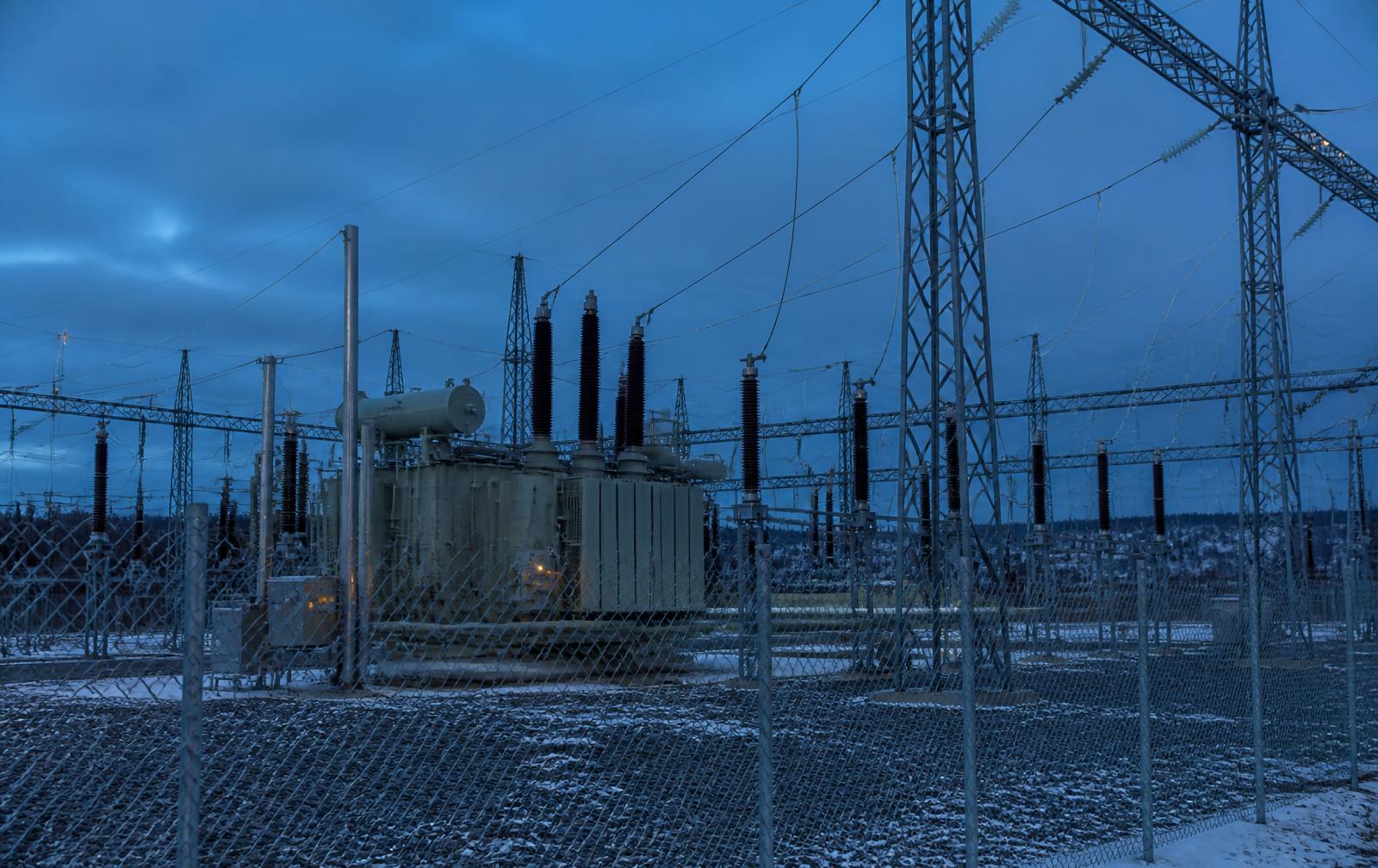
Substations, generation sites and storage installations are protected at ground level by fences, cameras and access control. The airspace just above them is rarely covered by anything.
Low-airspace awareness is intended to complement what you already have, adding information about aerial activity that perimeter systems were never designed to see.
It does not prevent every disruption. It is meant to give the people responsible for the site earlier information to act on.
The service
Drone detection. Delivered as a site service.
Fravek is developing a subscription service that brings low-airspace awareness into your everyday security operation.
See beyond your perimeter
Compact passive sensing nodes are designed to extend awareness into the airspace around your site, using signals already present in the air to detect and track low-flying drones without transmitting a radar signal. Several nodes are intended to feed one shared view.
Turn activity into clear alerts
The intent is to show where a drone is, where it is heading and whether it is approaching a sensitive area, so your security team can assess activity, direct cameras and coordinate a response. Recorded tracks are intended to support incident review and reporting.
One site. One managed service.
It starts with a site assessment that defines coverage, node placement and how information reaches your security operation. The planned subscription brings sensing equipment, software, updates and ongoing support together in one predictable fee per site, delivered with security integration partners.
One priority site. Or a distributed portfolio.
Start where visibility matters most. Explore an individual installation or discuss several sites.
Getting started
Three steps, starting with a conversation.
01
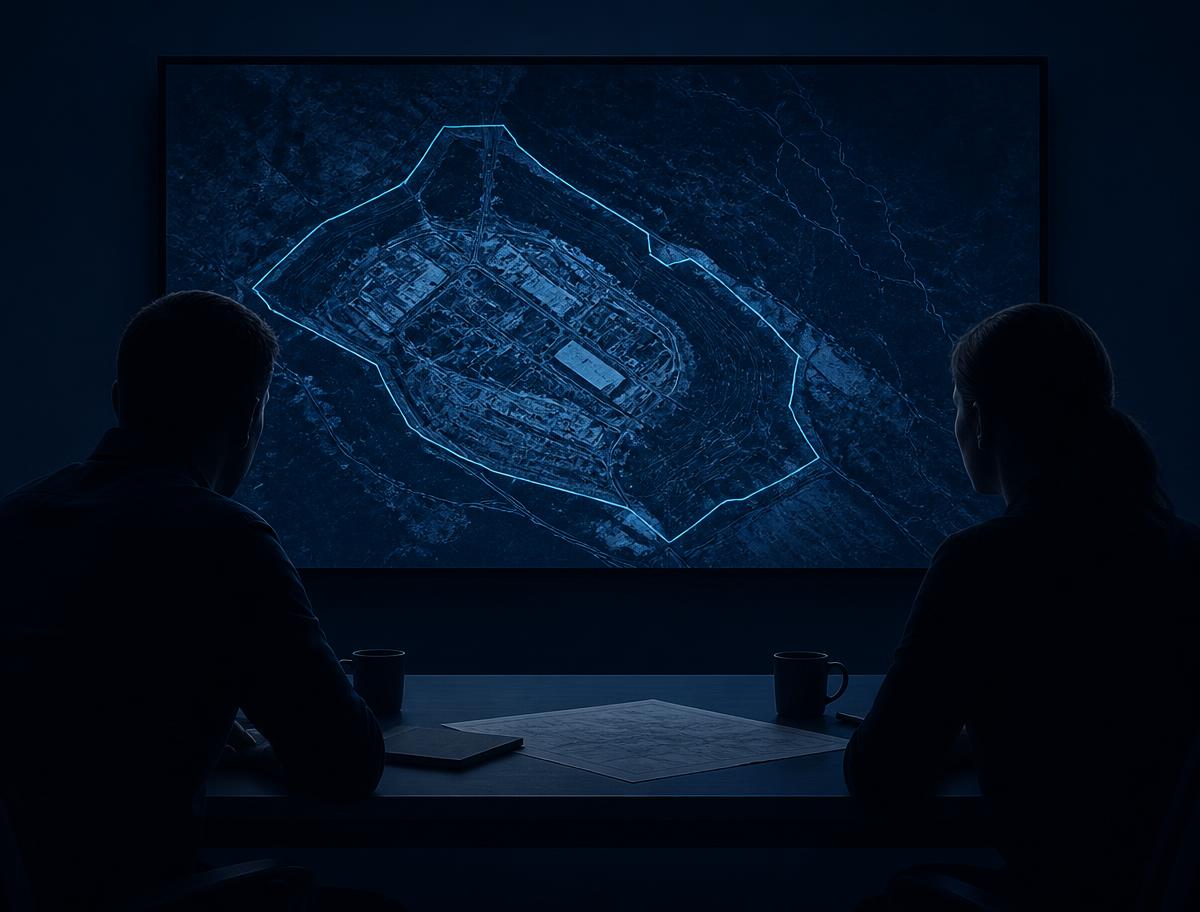
Discuss your site and priorities
We discuss your substations, plants or grid assets, what is most exposed and the fencing, cameras and control-room routines already in place.
02
Assess conditions and outline a setup
We assess available signals across open, often remote ground and potential mounting points on masts or buildings, with an on-site survey where needed.
03
Agree scope and plan deployment
We agree scope, costs and the steps for installation, integration and validation with your security and operations teams.
The first conversation covers preliminary suitability, existing protection, a possible setup and indicative costs. Detailed planning may require a site survey.
From site assessment to a proposed setup
Survey findings, candidate mounting locations and practical requirements come together in a site-specific deployment plan.
The hardware
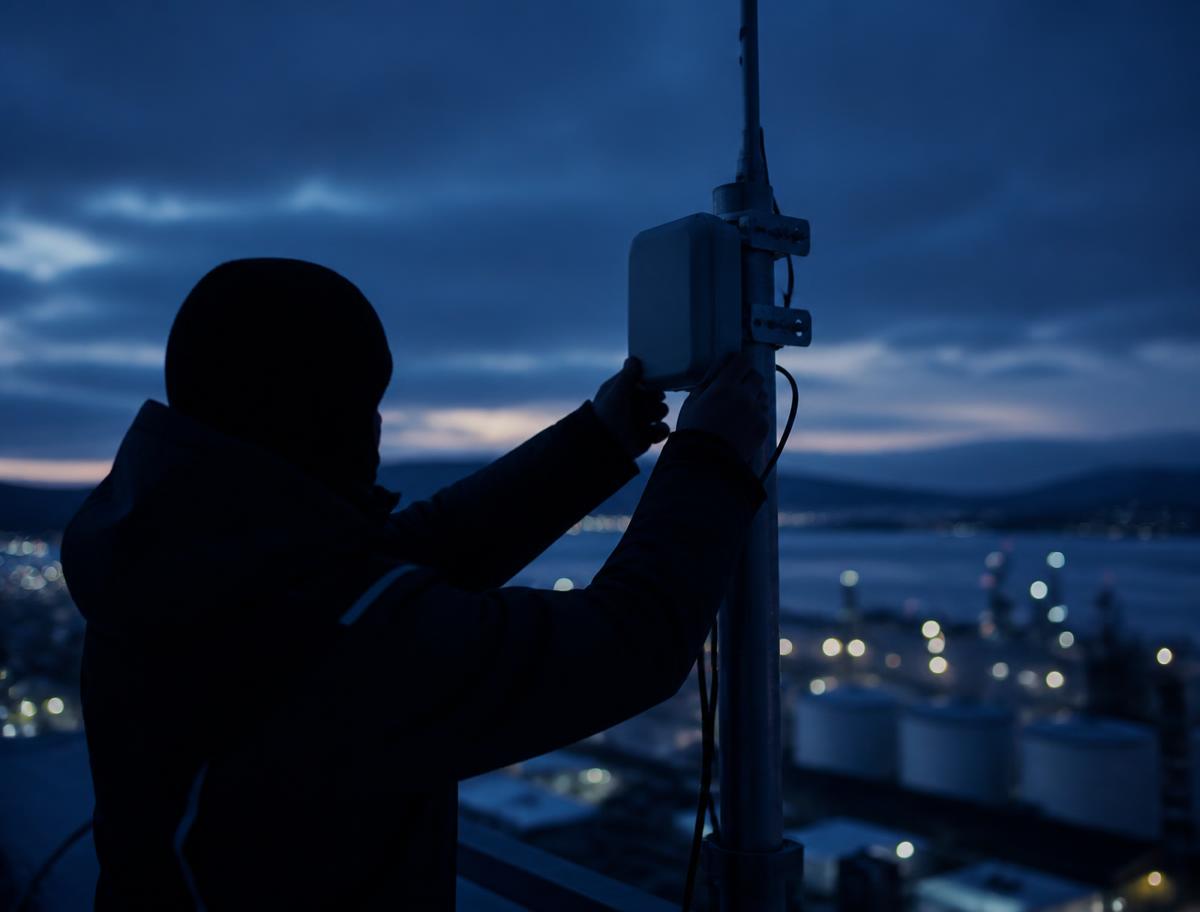
A compact receiving node, intended to mount on existing masts and rooftops. Nodes can be placed on masts, buildings or structures near substations and plants.
What does a site assessment involve?
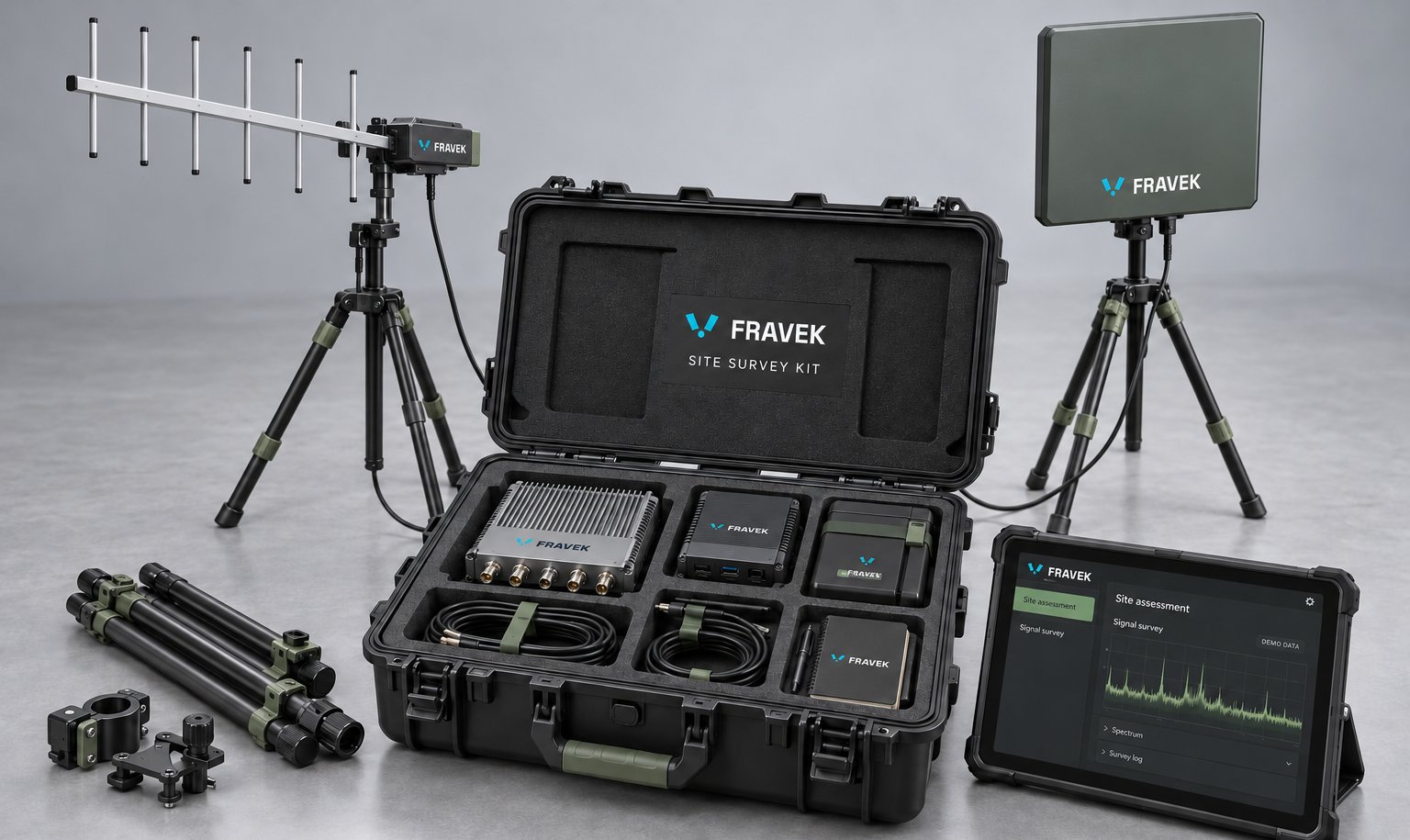
A site assessment helps establish whether the available signals and practical site conditions support a suitable Fravek setup.
- —Review available signals and potential interference.
- —Assess candidate mounting locations and relevant obstructions.
- —Check power, connectivity and installation access.
- —Outline a proposed setup, its dependencies and any further testing needed.
For energy sites, the assessment also considers how alerts reach the control room and how remote sites are accessed for installation.
Signal surveys inform the proposed setup. Detection coverage is validated separately during testing.
Following agreement, the deployment plan covers installation, integration, performance testing and handover.
Discuss your siteSite assessment
What would drone detection look like at your site?
Tell us the essentials and we will come back to arrange a 20-minute conversation.
Questions
Before you get in touch.
- Is my site suitable?
- That is what the first conversation is for. Suitability depends on the surroundings, the local signal environment and what you need to see. Some sites suit this approach better than others, and we will say so.
- Can we start with one location?
- Yes. Most conversations start with the single site where visibility matters most, and widen from there if it proves useful.
- How would this fit our existing security?
- It is intended as an additional layer alongside cameras, fencing and access control, and to pass information to the people and systems that already handle site security. Specific integrations are discussed during the assessment rather than assumed.
- What determines the price?
- Scope and setup: how many sites, how much of the airspace you want covered, how the information reaches your operation and what installation each location needs. We give indicative figures in the first conversation once we understand the scope.
- What happens after the first conversation?
- You get a written outline of a possible setup and what it would depend on. Detailed coverage planning may require a site survey.
Other sectors